We use cognitive science, neuroscience, math, and AI to study how humans:
Represent faces and objects
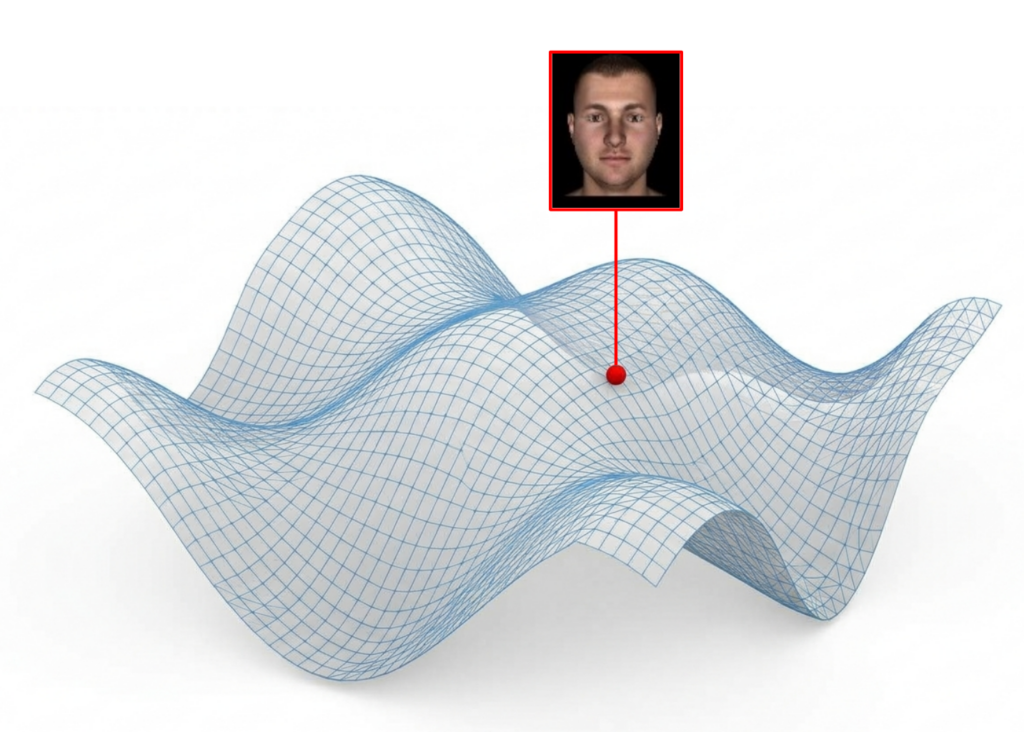
We investigate how perception disentangles lasting and changeable properties of objects like identity, viewpoint, and nonrigid transformations (e.g. expressions). Despite recent deep learning models achieve good accuracy at object recognition, they remain profoundly different from human vision, showing overreliance on local features and vulnerability to adversarial attacks.
Contrary to a longstanding hypothesis in face perception, we have shown that the recognition of face identity and changeable properties (expressions) rely on common mechanisms (Schwartz et al. 2023a, Schwartz et al. 2023b). We hypothesize that local dynamics provide key information to disentangle lasting properties and object transformations. Therefore, we’re using deep learning and neuroimaging to study representations of dynamics, and we find that they are widespread not only in dorsal but also in ventral regions (Karimi and Anzellotti 2024, Karimi et al. 2025, Karimi and Anzellotti 2025).
In collaboration with the Physics department, we are also using techniques from statistical mechanics and replica theory to understand the computational principles underlying disentanglement and multitask learning.
Understand agents and events
We are interested in how observers understand events and leverage them to make inferences about other agents’ internal states and traits. We are building and testing a new model that uses graphs to bridge the gap between representations of objects and events, offering an account of how continuous experience can be subdivided into discrete components that overcomes the limitations of some previous theories.
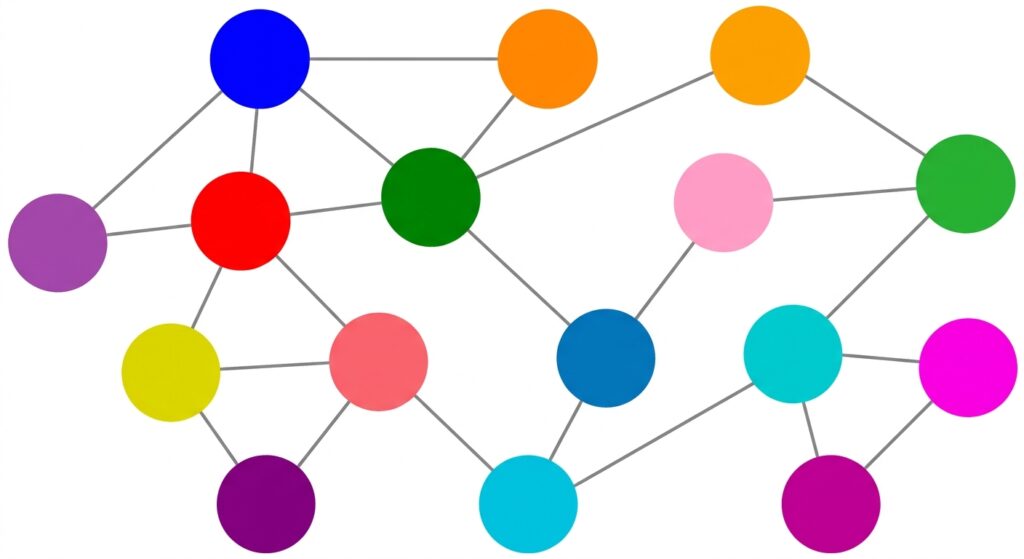
We study how the understanding of events/situations/context informs the way people make inferences about others’ emotions (Anzellotti et al. 2018) and traits (Kim et al. 2022), and how it supports responsibility judgments.
Are affected by developmental disorders
The cognitive abilities we study can be affected by neurodevelopmental disorders. Understanding their causes and phenotypes has proven remarkably difficult. One key challenge is posed by the enormous amount of variation, even among individuals with the same diagnosis. We have built methods that separate individual variation specific to a disorder from variation in common with the general population, revealing previously hidden links between the brain and behavior (Aglinskas et al. 2022, Aglinskas et al. 2025).
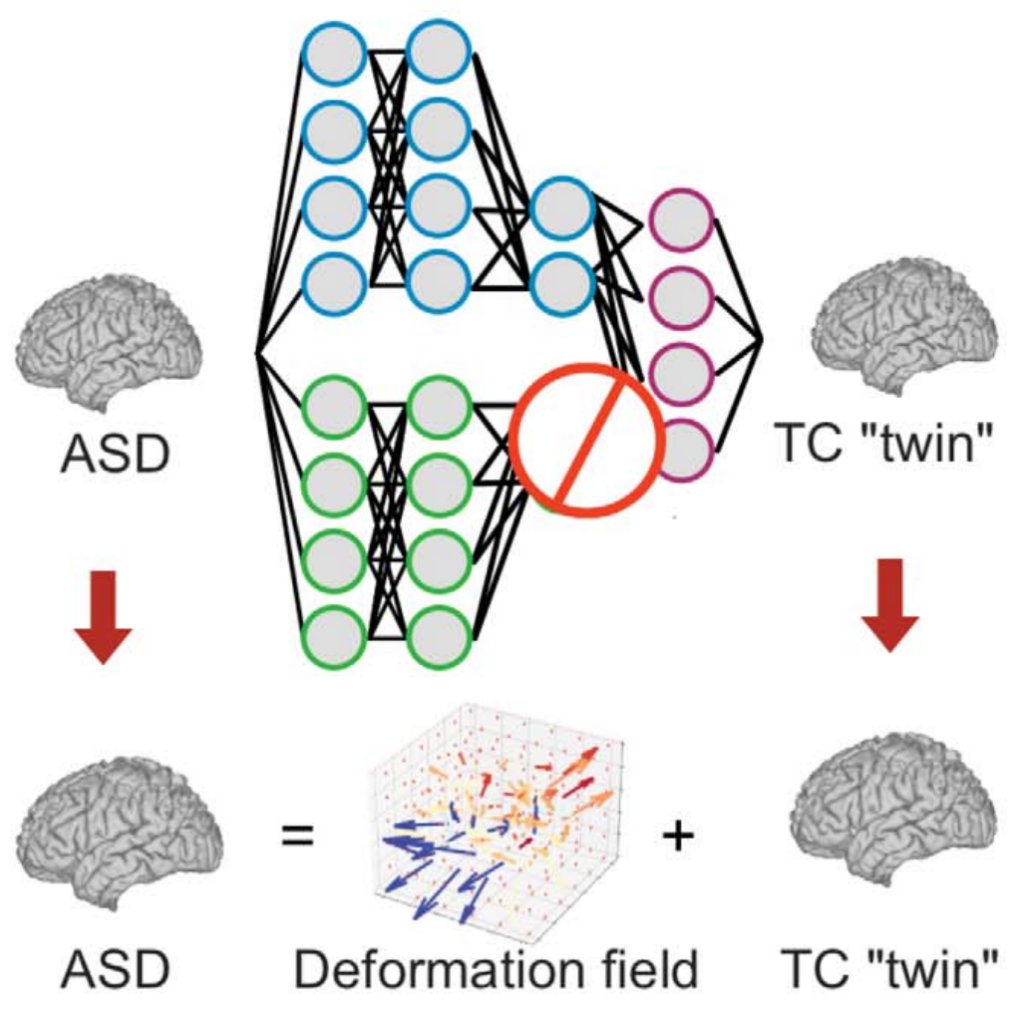
More recently, we have leveraged these techniques to tackle a key challenge in precision psychiatry: denoising fMRI data in order to obtain more robust measures of brain activity at the level of individuals (Yu et al. 2025, Aglinskas et al. 2025).